
Everyday Movement Over Exhaustion
You do not need punishing workout regimes to maintain longevity and stamina. Consistent low-to-moderate intensity physical activity gently challenges cardiovascular capacity while keeping joints limber and free from overuse injuries.
The Transformative Power of Walking
Brisk, unhurried walking is arguably the most biologically harmonious form of exercise available to humans.

Cardiovascular Ease
Walking supports healthy arterial circulation and steady blood pressure without spikes in inflammatory cortisol.
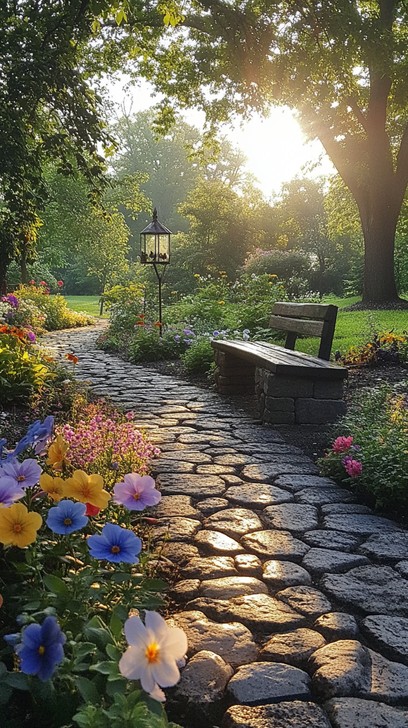
Mental Decompression
Rhythmic bilateral stimulation through walking promotes divergent thinking, mood lifting, and peaceful creative insight.
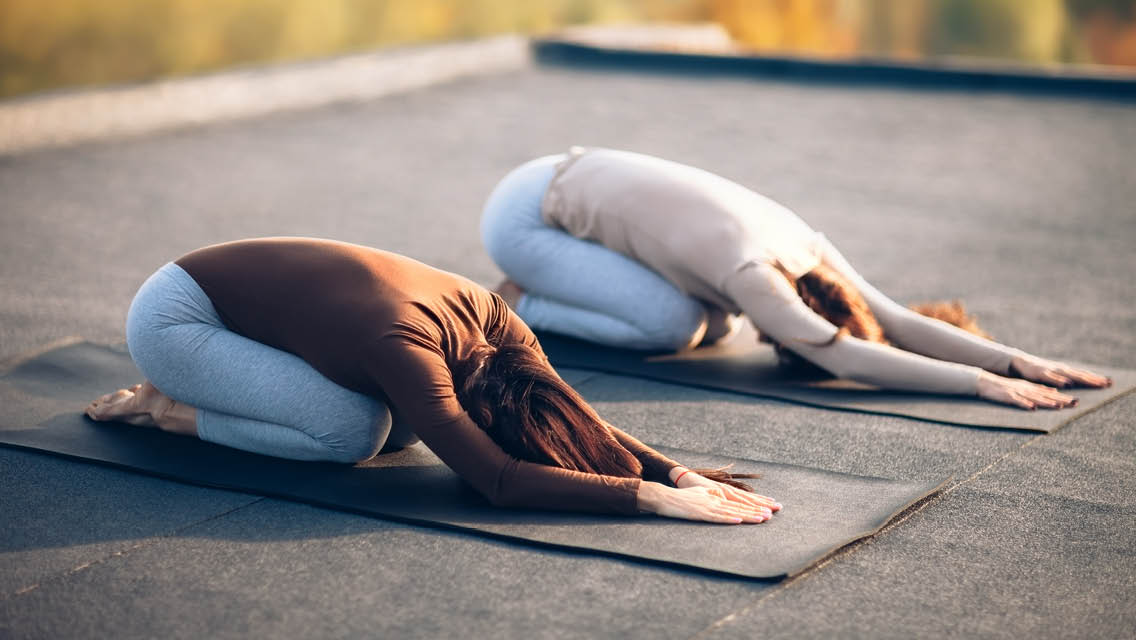
Joint Preservation
Low-impact load bearing lubricates cartilage in knees, hips, and lower back, easing sedentary stiffness.
Daily Stretching & Mobility Routines
Counteract prolonged seated posture with these four simple stretches you can practice anywhere.
Cat-Cow Spinal Flow
Gently flex and extend the spine on hands and knees to relieve compressive disc tension from prolonged sitting.
Doorway Chest Opener
Place forearms against a doorframe and step forward to reverse forward head posture and tight shoulders.
Kneeling Hip Flexor Stretch
Open deep psoas muscles tightened by hours of chair posture to protect lower back integrity.
Seated Figure-Four
Cross one ankle over the opposite knee to gently stretch the piriformis and promote comfortable hip mobility.
Beginner-Friendly Activity Ideas
Approachable pathways into joyful movement that build confidence, stability, and enduring consistency.
Gentle Swimming or Water Aerobics
Water buoyancy removes joint compression while providing full-body gentle resistance for balanced muscular activation.
Bodyweight Calisthenics
Wall push-ups, chair squats, and standing calf raises build functional stability without requiring complex gym equipment.
Nature Trail Walks
Walking along unpaved dirt trails challenges stabilizer muscles, improves ankle resilience, and immerses you in calming greenery.

Recovery, Rest, and Habit Building
Physical adaptation happens during rest, not during exertion. When you honor recovery periods, your muscular tissue rebuilds stronger and your nervous system maintains steady resilience.
To establish an active lifestyle that lasts decades, anchor tiny movements to existing habits: do five squats while your morning water boils, or walk five minutes immediately following lunch.